


Understanding AI from a business perspective — from chatbots and data analysis to process automation, with real examples and practical steps to get started.
AI is no longer a buzzword. What has changed is that businesses of all sizes can now access and use AI practically — not just tech giants.
How Is AI in 2026 Different from Before?
Previously, AI required teams of data scientists and massive budgets. But now, thanks to Large Language Models (LLMs) like GPT, Claude, and Gemini, businesses can:
Use AI through APIs without building their own models
Pay only for what they use (pay-as-you-go)
Get started within days, not months
What Can AI Do for Your Business?
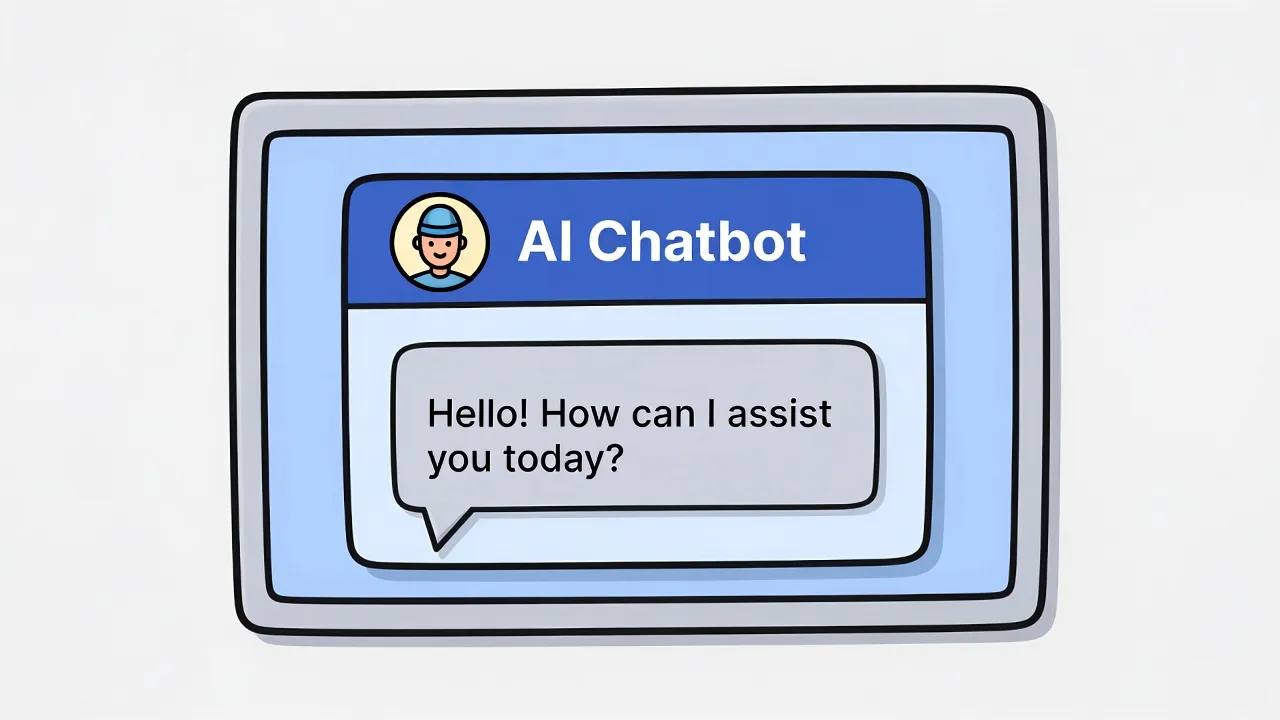
1. AI Chatbot — 24/7 Automated Customer Service
Modern AI chatbots don't just follow scripts — they understand context, remember customer information, and provide relevant recommendations. Businesses using AI chatbots can reduce customer response time by 60-80% while increasing satisfaction.
Use cases:
Online stores: Answer product questions, track delivery status
Clinics/hospitals: Appointment booking, provide basic information
Service companies: Handle complaints, route to the right team
2. Content Generation — Create Content with AI
AI can help create a wide variety of marketing content:
Write articles, captions, email marketing
Generate large quantities of product descriptions
Context-aware translations — not just word-for-word
Summarize lengthy documents into concise versions
Important note: AI generates content well, but humans must always verify accuracy — especially numbers, dates, and specialized facts.
3. Data Analysis — Insights Made Simple
Instead of opening multiple Excel sheets, AI can:
Analyze sales data and predict trends
Discover hidden customer behavior patterns
Generate dashboards and reports automatically
Alert you when anomalies appear in the data
4. Process Automation — Eliminate Repetitive Work
Tasks you do repeatedly every day can be automated by AI:
Categorize emails and route them to the right department
Generate quotations from received information
Sync data across systems automatically
Extract data from documents and fill out forms
Popular automation tools: n8n, Zapier, Make (Integromat)
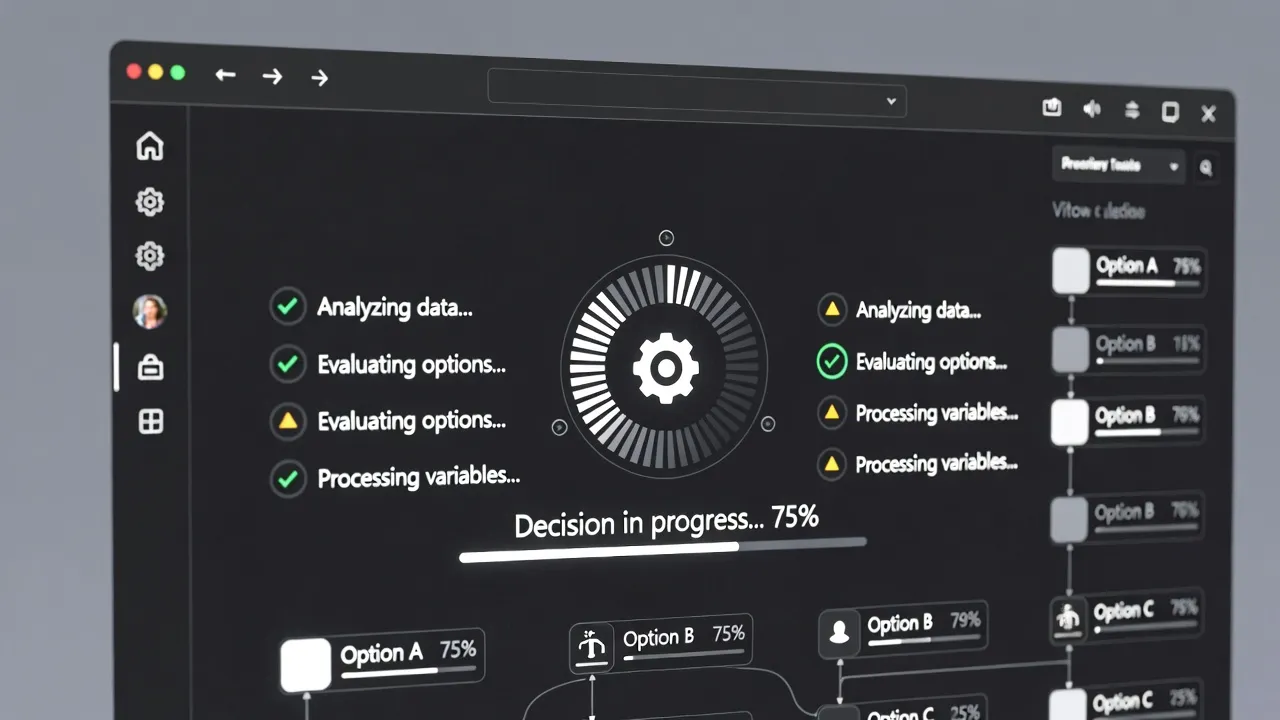
5. Machine Learning — Predict and Decide
For businesses with large datasets, Machine Learning can:
Predict which customers are likely to buy
Recommend products tailored to each customer (Recommendation System)
Detect fraud and anomalies (Fraud Detection)
Optimize inventory management
How Much Does Business AI Cost?
API Calls (GPT, Claude, Gemini): Starting from just a few hundred baht per month for small businesses
Ready-made AI Chatbot: Starting from 500-5,000 baht/month
Custom AI Chatbot: One-time investment of 30,000-200,000 baht depending on complexity
Process Automation: Depends on the number of processes, starting from tens of thousands of baht
Machine Learning Projects: Starting from hundreds of thousands of baht for custom model training
What to Know Before Starting with AI
1. Start from real problems, not technology
Don't use AI because you "want to." Ask "what problem can AI solve?"
2. Prepare your data
AI works only as well as the data you provide. If your data is disorganized, results will be poor.
3. Don't expect AI to do everything
AI excels at repetitive tasks, data analysis, and content creation, but humans are still needed for critical decisions and quality checks.
4. Be careful with data privacy
Don't send confidential customer data to AI APIs without reviewing the provider's Privacy Policy first — especially data subject to Thailand's PDPA law.
5. Choose the right AI for the job
Not every AI excels at everything. GPT is strong in language, Claude excels at analyzing long documents, and Gemini is great for Google Services integration.
Conclusion
AI isn't here to replace people — it's here to help people work faster, smarter, and more efficiently. The key is to start from your business's real problems, choose the right tools, and gradually expand usage as you see results.
Businesses that start using AI today will have a clear competitive advantage in the next 2-3 years.
References
• McKinsey - The State of AI
https://www.mckinsey.com/capabilities/quantumblack/our-insights/the-state-of-ai
• Harvard Business Review - AI for Business
https://hbr.org/topic/subject/ai-machine-learning
• OpenAI Documentation
https://platform.openai.com/docs
• Anthropic Claude Documentation
https://docs.anthropic.com/
• Google AI for Business
https://cloud.google.com/ai
• Gartner - AI in Business
https://www.gartner.com/en/topics/artificial-intelligence


